
Introduction
David Samuel is The Entrepreneur Monk. He is a real life rag to riches 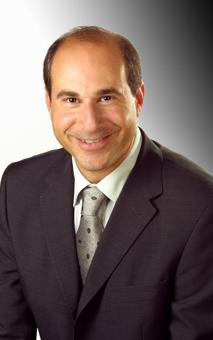 story, made his first million at 25. He built 8 successful companies and at the age of 30 he sold 6 of the 8 companies he owned to travel internationally for several years as a wandering monk.
After he found the balance and harmony of entrepreneur success and happiness, David created programmes to help a person to develop emotional independence, and to be success in all aspects of life. David has owned companies in over 25 industries in 15 countries.
Combined with his business ventures, teaching and consulting, David is committed to the never ending exploration of the nature of the mind, thus he published seven books such as Mind Training Exercises for Success, Inspiring Thoughts, All Is Mind and others.
The Interview
Did you ever picture yourself as a millionaire/successful? How did you do it at 25?
When I was very young, about 5 years old, my grandfather would often ask what I wanted to be when I grew up and I always said; “A millionaire.”
I worked from age 13, I worked every day, Christmas, New Years, really every day from about 7am to 2am for 11 years and saved very hard, as many jobs as I could do. Total devotion to my goal.
You believe that one’s success is entirely reliant to one’s character. How do you become that success character?
The first step is acknowledging that you are not perfect and seeing all your flaws. Then feel a fear of staying the same for your whole life.
Add to this the faith that you can be anything you imagine or desire.
Then devote yourself to change above all else.
Having a handful of companies, how do you identify opportunities, and workable businesses?
The cost benefit analysis. But mistakes are made because of desperation or ego. You have to be willing to pass up an opportunity and wait for another one if this one is not great.
You can find deals by actively seeking and being open to anything.
For example, I was a real estate broker and came across an opportunity to open a one hour photo development shop. Even though it was not what I was looking for I saw the potential and diversified.
So the main key is to be open and flexible.
How do you relate emotional independence to success in business?
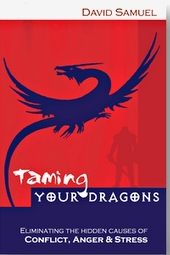
Many relationships are destroyed by taking things personally and getting into arguments. Also, we may be wrong and do not want to look bad so defend our mistakes instead of humbly and with an open mind just adapt and move forward.
Emotional independence allows you to stay calm in the midst of crisis and problems so you can fix anything with a clear calm mind.
We have come across people who achieve financial success in shorter time, and longer time. (Some do not achieve at all). What do you think happen or differ these people?
Wisdom of being able to adapt to a changing situation and world. If you stick to an idea that is fading then you do not move forward. But if you constantly adapt then progress is quicker.
Also it is important to be very frugal so you do not waste time, energy and money instead of letting it accumulate so you have more to work with and build exponentially.
Can you give example of your participants/student who have achieved financial success and emotional freedom?
One was a 25 year old boy, a school teacher with debts and no great outlook. Also very emotionally insecure. In five years he started a freelance business and now makes over $150k a year. He owns two landed houses and is worth well over $1million.
The key was in learning that mistakes are not showing that he is a bad person but rather that the work was bad and he needs to improve his skills. So not taking it personally.
Also a big key was developing true appreciation for his clients, gratitude for the work he got. Normally people work and expect to get paid thinking they deserve the money. But in fact we should be grateful for the opportunity rather than expect pay. This is very common in westerners, they call it feeling entitled.
When he sincerely became appreciative and respectful, and paid his emotional debts by realizing that his clients gave him the opportunity to make money, he removed guilt and that built his self esteem.
My Chinese tai chi teacher told me to pay my debts. That means emotional, education, and of course financial. You need to thank with sincerity those who taught you to read and write for example. We often forget about all our debts and leaving them unpaid makes you feel guilt which destroys emotional independence.
On a business side, by being independent, he would take all criticism constructively instead of going in a bad mood and making more mistakes.
David will be presenting on a live webinar April 29 and part 2 on May 6 with KCLau, Malaysia’s No.1 Online financial educator.
“How to Achieve Emotional and Mental Balance for Financial Success”.
Visit Live Webinar with KCLau.com to register.
